
Attractiveness Guides from AttractivenessTest
AttractivenessTest Blog
Guides to facial features, symmetry and proportions, and practical ways to improve your look.
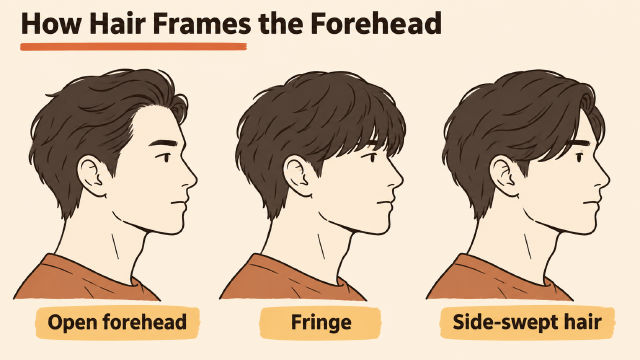
What Is a Sloped Forehead? Profile Photos and Styling Options
Understand how a sloped forehead appears in profile, what consistent photos can show, and how bangs or a side part can change forehead coverage.
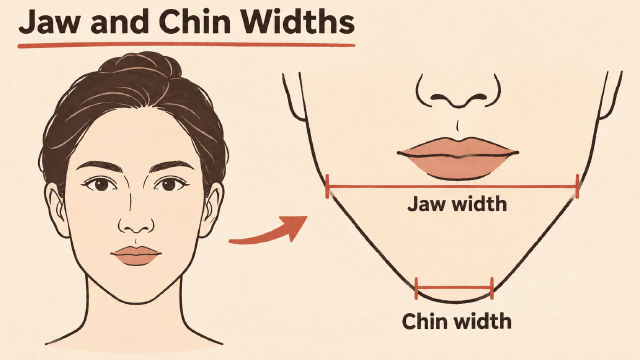
How to Recognize a Pointed Chin in Front-Facing Photos
Recognize pointed chin taper in front-facing photos, take consistent comparison shots, and understand what a chin-to-jaw width ratio can tell you.
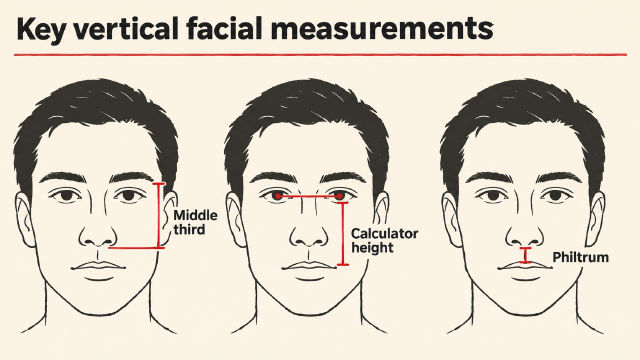
What Does a Long Midface Mean? Photo Checks and Styling Tips
Understand what a long midface means, compare photo landmarks and ratios, and explore optional hair, brow and glasses choices.
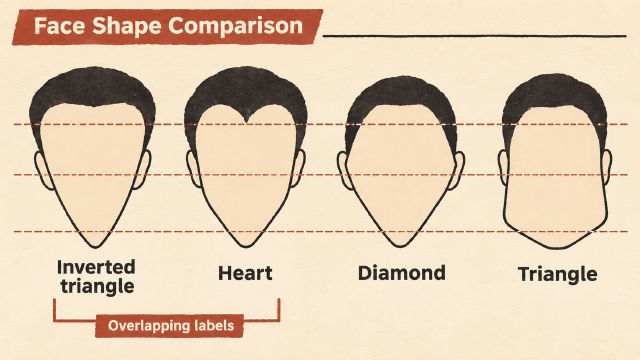
How to Identify and Style an Inverted Triangle Face Shape
Identify an inverted triangle face shape, compare heart and diamond outlines, and explore optional hair, brow and glasses choices.
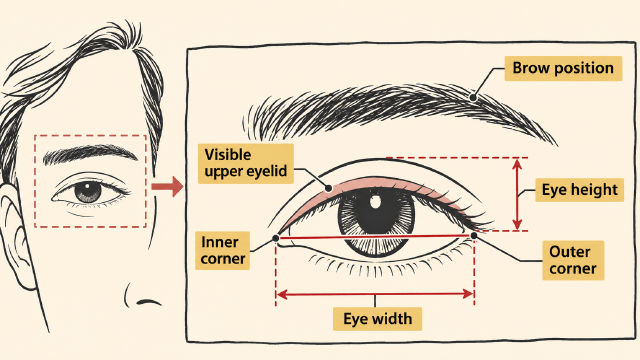
What Are Hunter Eyes? Traits and Photo Limits Explained
What are hunter eyes? Learn the informal term's common traits, how they differ from canthal tilt alone, and what a photo test can tell you.
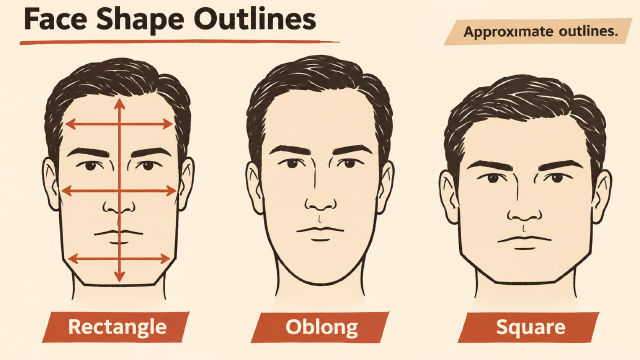
How to Tell If You Have a Rectangle Face Shape
Identify a rectangle face shape using length, similar facial widths and jaw angles, then compare oblong and square outlines with photo perspective in mind.
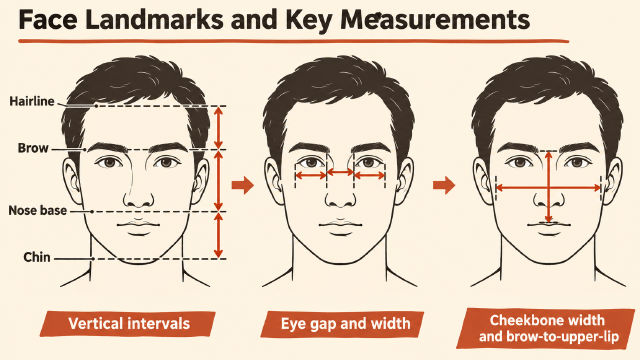
How to Take Facial Proportion Measurements From a Photo
Take facial proportion measurements from a photo: learn the landmarks for thirds, fifths and FWHR, and understand what can change your results.
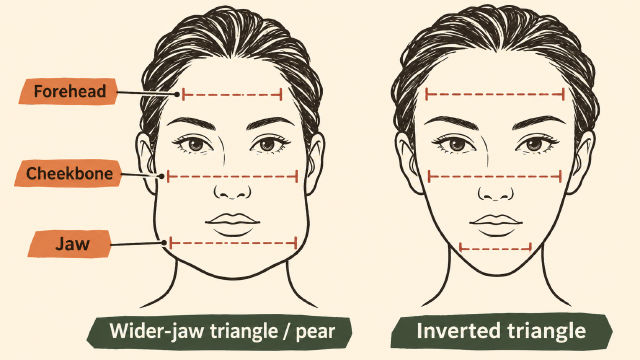
How to Identify and Style a Wider-Jaw Triangle Face Shape
Identify a wider-jaw triangle face shape, distinguish it from an inverted triangle, and compare hair and glasses options for your styling goals.
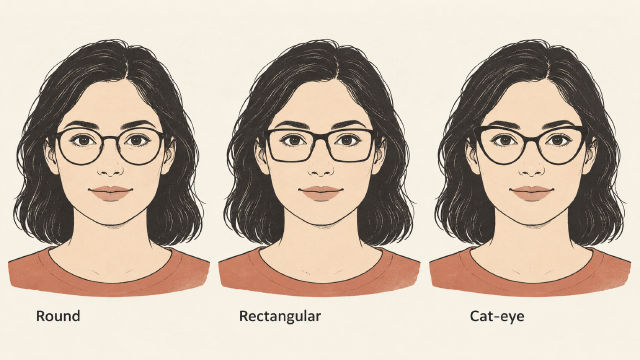
How to Preview Face Shape Eyeglasses Choices With Meta
Preview face shape eyeglasses choices with Meta virtual try-on, compare how available styles look and understand what its appearance preview establishes.
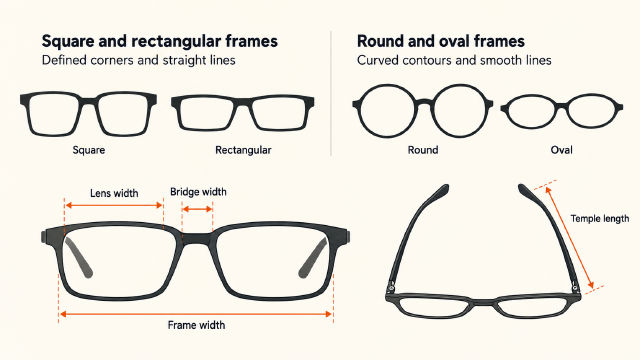
How to Choose Round Face Shape Glasses That Fit
Choose round face shape glasses by comparing angular and softer frames, checking size markings and comfort, and understanding virtual try-on limits.
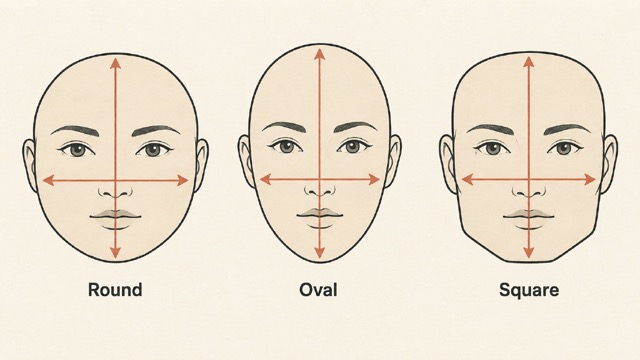
Is Your Face Shape Round? How to Check Your Measurements
Is your face shape round? Compare length, cheekbone width and jaw contours, distinguish oval and square shapes, and understand photo limits.
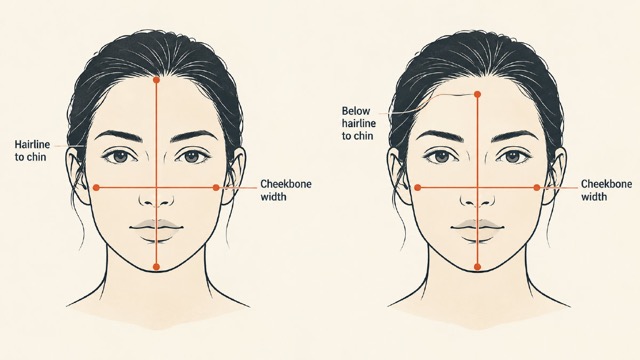
What Does the Facial Golden Ratio Actually Tell You?
Understand what the facial golden ratio means, what research supports, and why photo measurements and calculator scores need context.
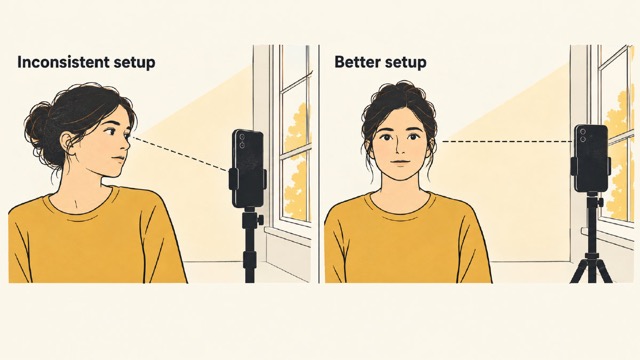
Why an Asymmetrical Face Can Look Different in Photos
Understand why an asymmetrical face looks different across photos, take comparable shots, and interpret a symmetry index without treating it as a diagnosis.
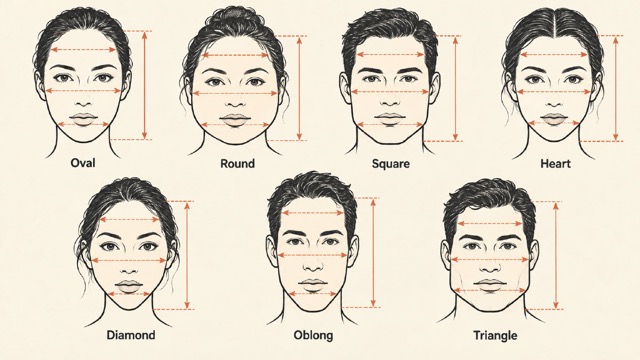
How to Compare Face Shapes and Find Your Closest Match
Compare face shapes using forehead, cheekbone and jaw widths, face length and outline, with guidance for overlapping features and reference photos.
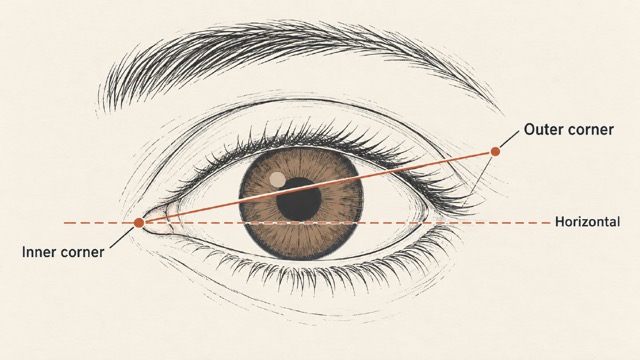
What Is Positive Canthal Tilt, and How Do You Measure It?
Positive canthal tilt means the outer eye corner sits higher. Learn how to measure it from a photo and why head position can change the result.
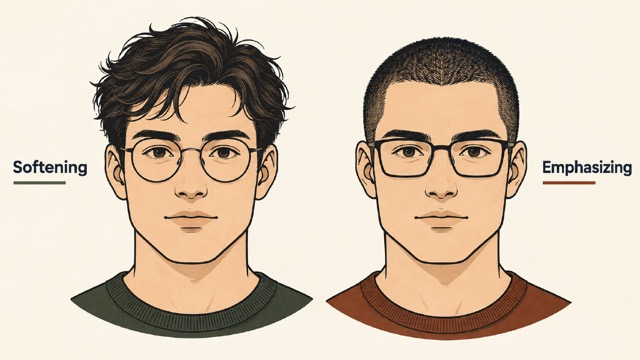
Is Your Face Shape Square? How to Tell and Style It
Is your face shape square? Compare forehead, cheekbone and jaw widths, account for photo perspective, and choose haircuts and glasses.
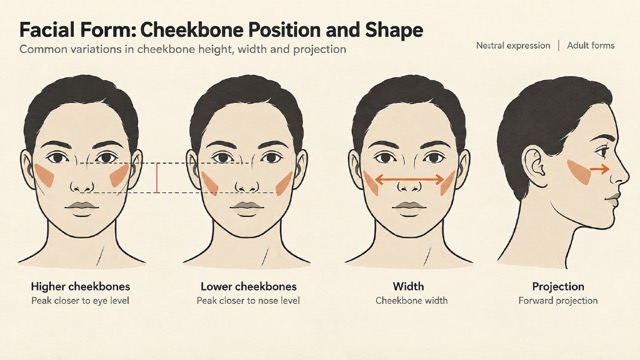
How to Tell If You Have High Cheekbones
Learn how to identify high cheekbones using approximate facial landmarks, distinguish height from width, and understand the limits of photos.
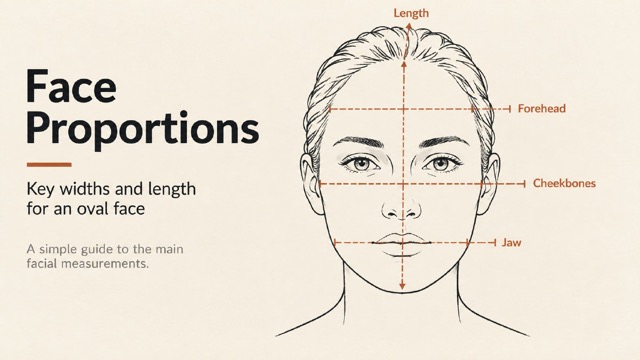
Face Shape Oval: How to Tell and What Styling Suits It
Check a face shape oval with simple length and width measurements, see why 'perfect' is overstated, and pick haircuts and glasses frames that suit it.
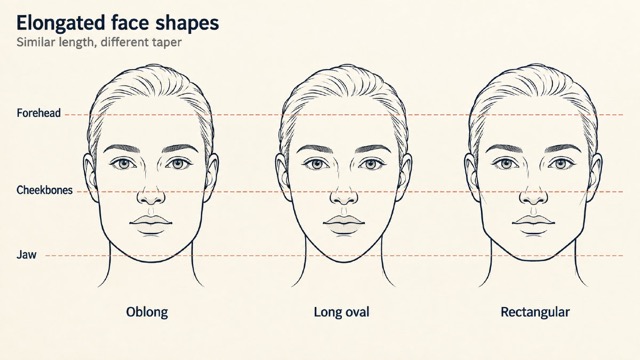
Oblong Shape Face: How to Tell and What Styling Suits It
Recognize an oblong shape face by length and outline, understand conflicting ratio rules, and compare haircut, beard and glasses options.
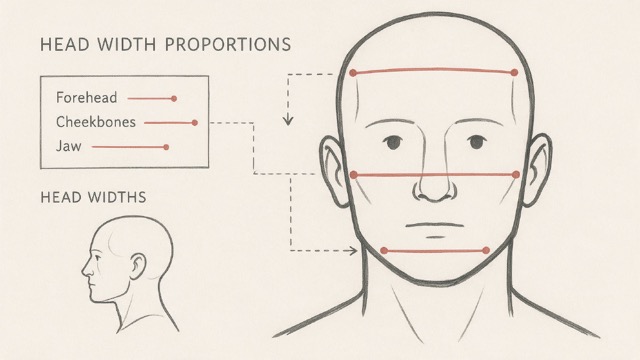
Diamond Face Shape: How to Tell and Style It
Learn how to identify a diamond face shape from forehead, cheekbone and jaw width, then choose hairstyles, beards, brows and glasses that balance it.
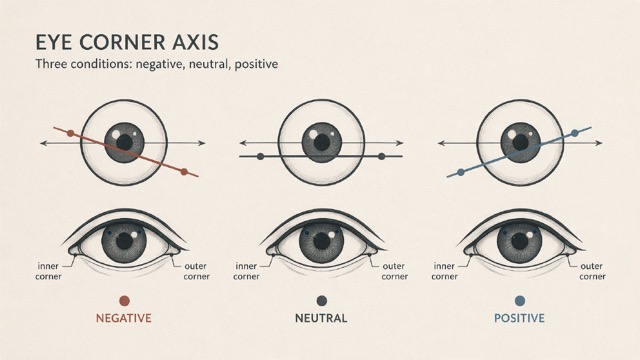
What Is a Negative Canthal Tilt? Meaning, Measurement and Styling
Understand negative canthal tilt: what a downturned outer eye corner means, how to measure it accurately from a photo, and safe styling options.
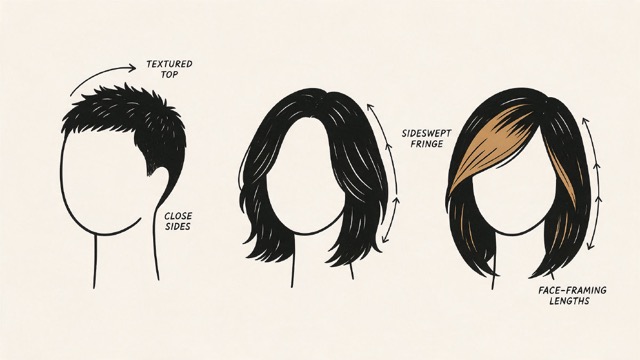
Hair Cut for Round Face: Flattering Lengths and Styles
Find a flattering hair cut for a round face, with short, medium and long options, bangs, parts, layers, texture tips and salon-request language.
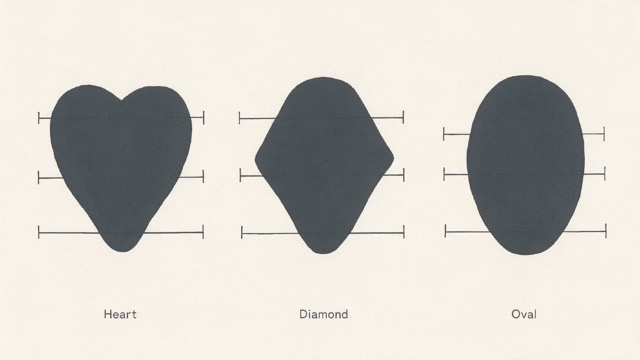
Face Shape Heart: How to Tell and What Styling Suits It
Identify a face shape heart from forehead, cheekbone, jaw and chin proportions, then use haircut, beard, brow and glasses tips that balance the silhouette.
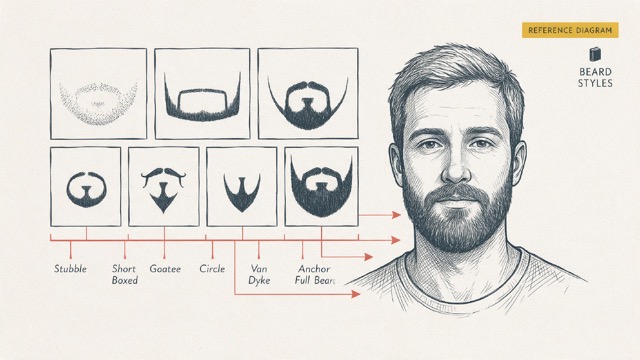
Beard Styles: How to Choose by Face Shape and Upkeep
Compare common beard styles and choose by face shape, facial proportions, natural growth, maintenance level, and grooming routine.